Practice Dutch Traffic Signs (CBR 2026) & Meanings 🛑
Recognizing traffic signs instantly is crucial for passing your CBR car theory exam in 2026. A simple hesitation on a speed limit or priority sign can easily cost you precious points. In this complete guide, you'll discover the core shapes, color codes, the most failed exam signs, and effective mnemonics.

💡 Golden Rule: Shapes & Colors of Dutch Traffic Signs
- Round with red border: Prohibition / Forbidden (e.g. maximum speed, no entry).
- Round & blue: Mandatory order / Must follow (e.g. required direction, roundabout).
- Triangle pointing UP: Warning for danger ahead (e.g. sharp curve, dangerous intersection).
- Triangle pointing DOWN: Give way / Yield to all traffic on crossing road.
- Square or rectangle: Information, recommendation or advisory speed.
1. Category A: Speed Limit Signs (Snelheid)
Speed questions on the CBR exam test whether you understand the difference between maximum mandatory speeds, zone speeds, and advisory speeds.
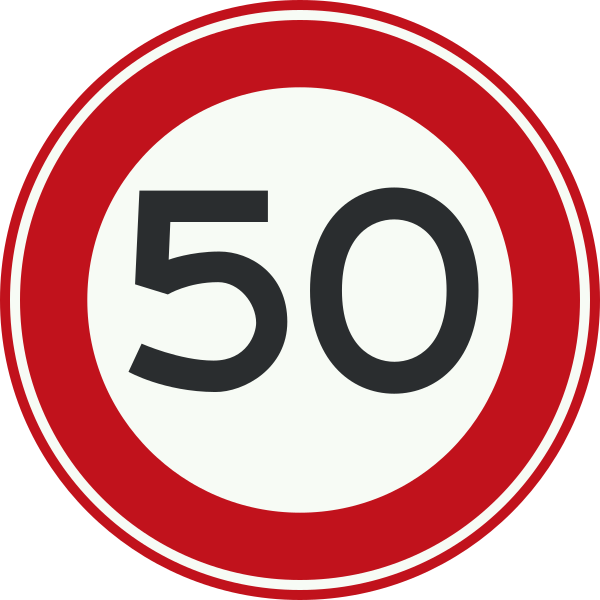
A1: Maximum Speed (50 km/h)
Mandatory limit. Driving faster than 50 km/h is strictly forbidden.
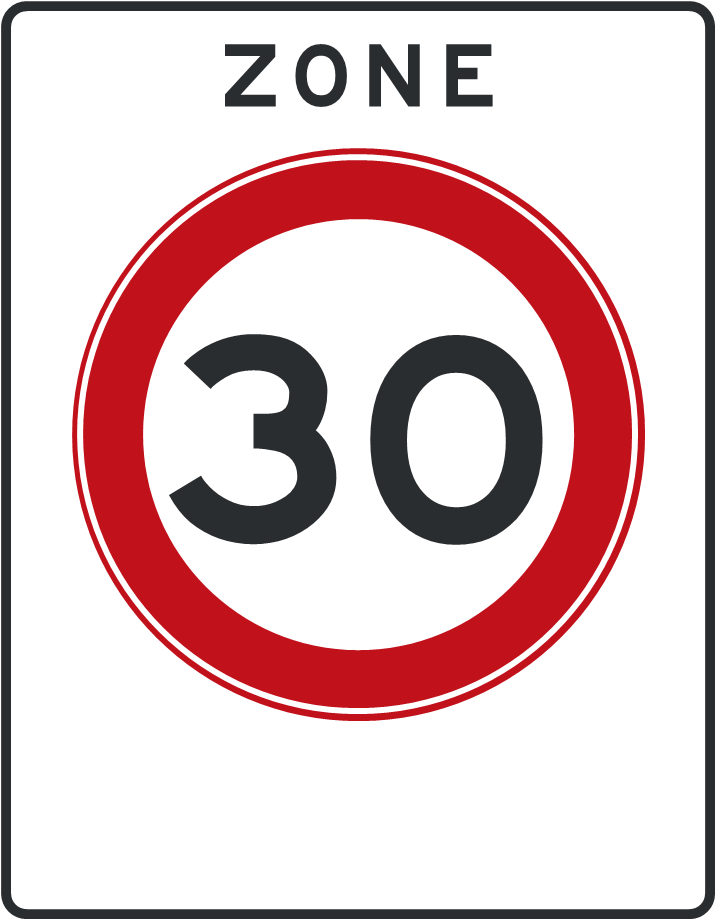
A1-ZB: Zone 30 km/h
Start of a 30 km/h zone. Applies to the entire area until the Zone End sign.
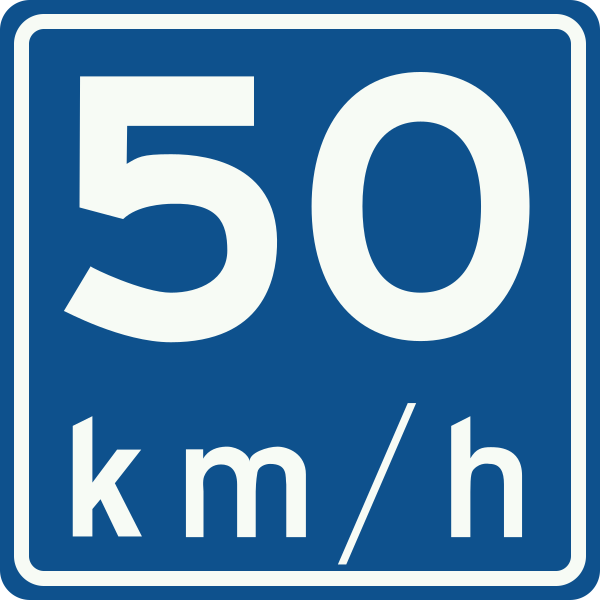
A4: Advisory Speed (50 km/h)
Square blue sign. Recommended safe speed, not a legal maximum.
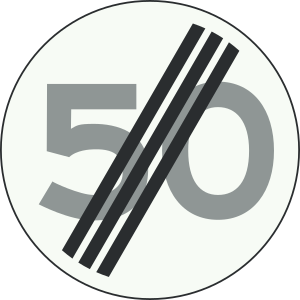
A2: End of Speed Limit
The previous speed restriction ends here. Standard road rules apply.
2. Category B: Priority Signs (Voorrang)
Priority questions are heavily weighted on the CBR exam. Knowing priority signs overrides general default rules like "traffic from the right has priority".
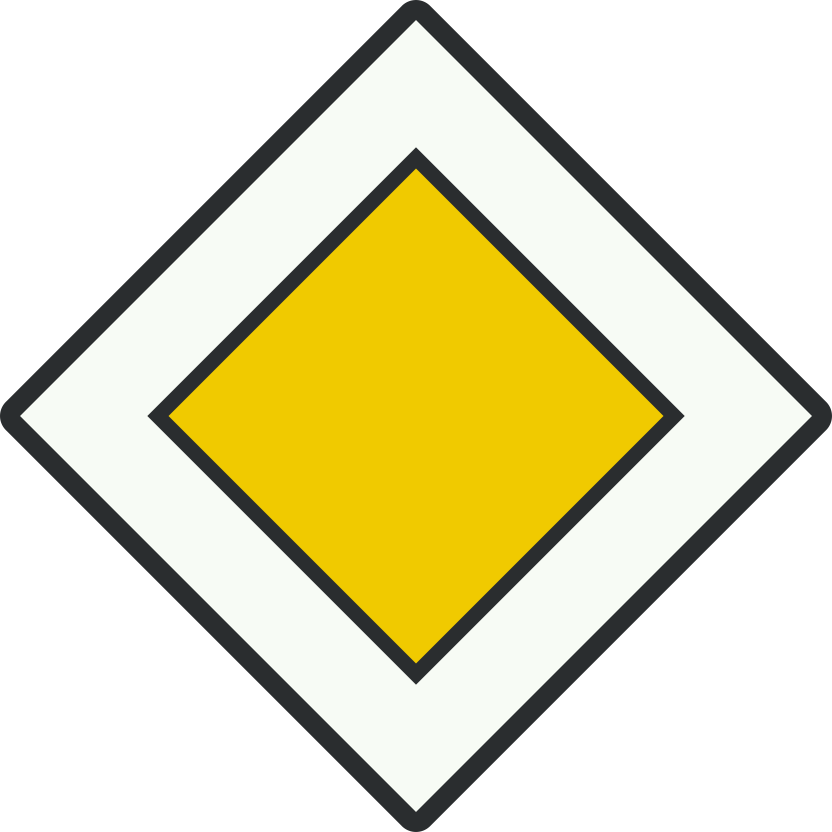
B1: Priority Road
You are on a priority road. Side-street traffic must yield to you at upcoming junctions.
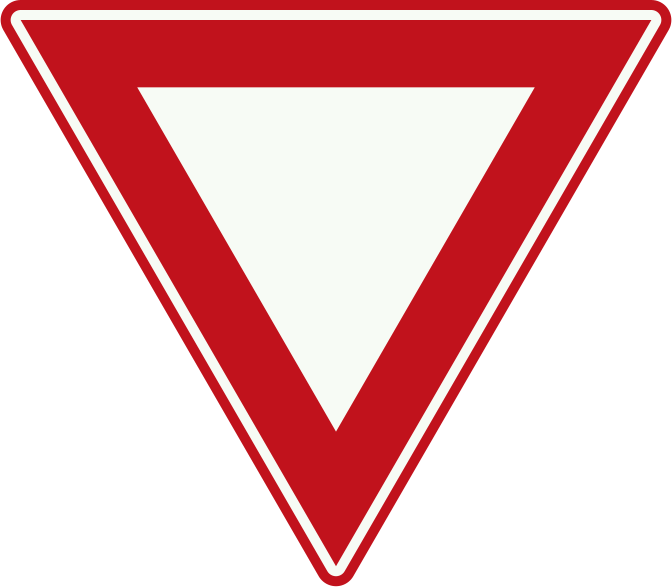
B6: Give Way / Yield
Yield to all drivers on the intersecting road (often paired with shark teeth markings).
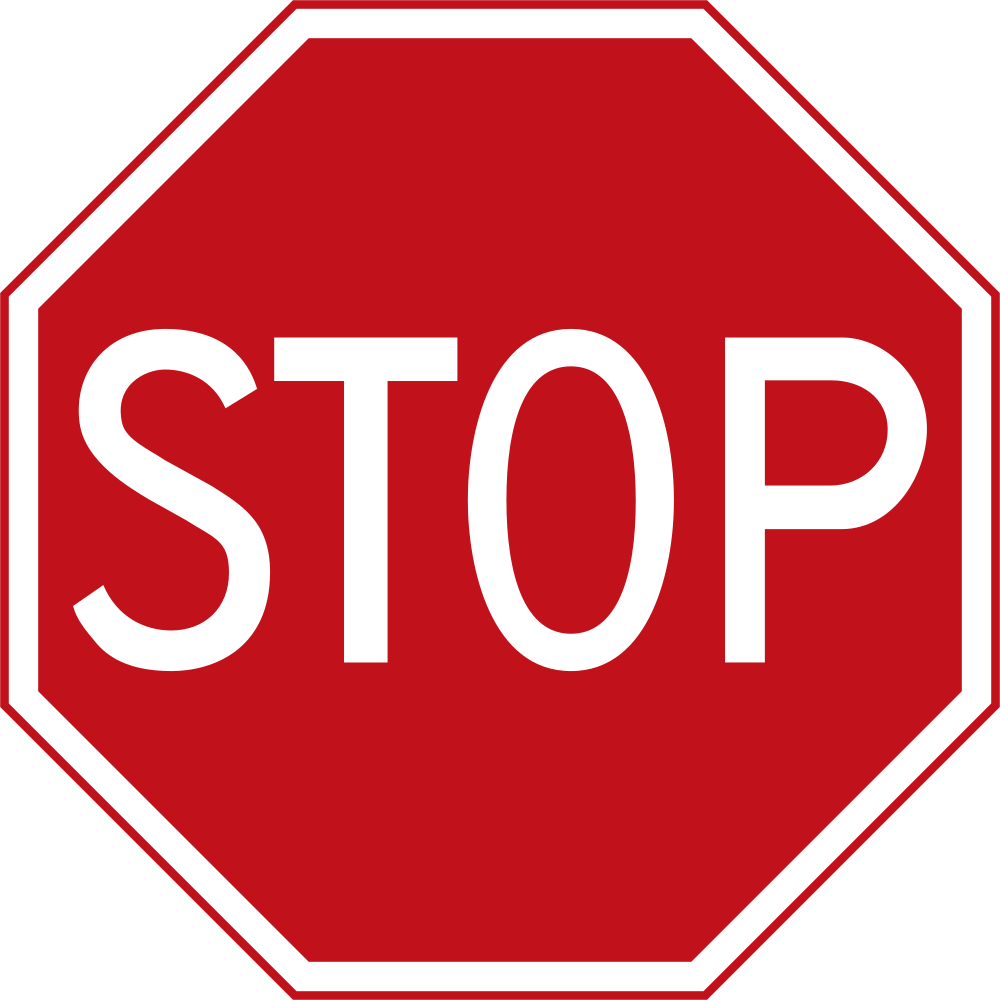
B7: Stop Sign
You must come to a complete standstill at the stop line, then give way.
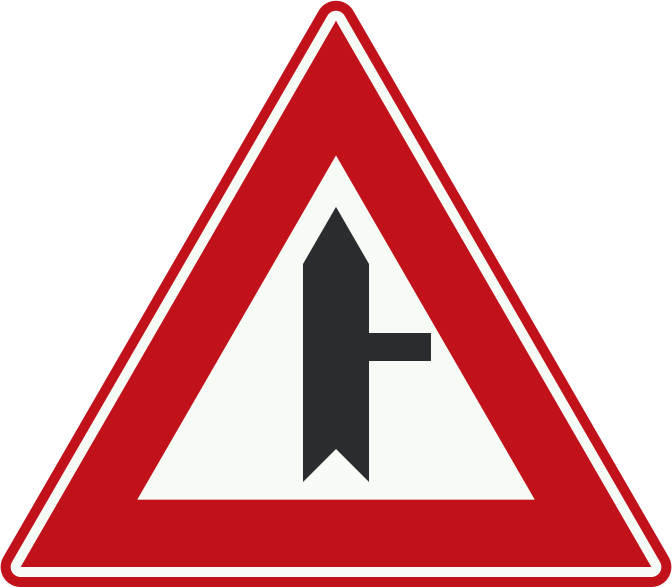
B5: Priority Intersection (Side Road Right)
At the next junction you have priority over traffic from the side road on the right.
3. Category C: Closed Roads & One-Way Prohibitions
Sign C1 and C2 look somewhat similar but have completely different legal implications:
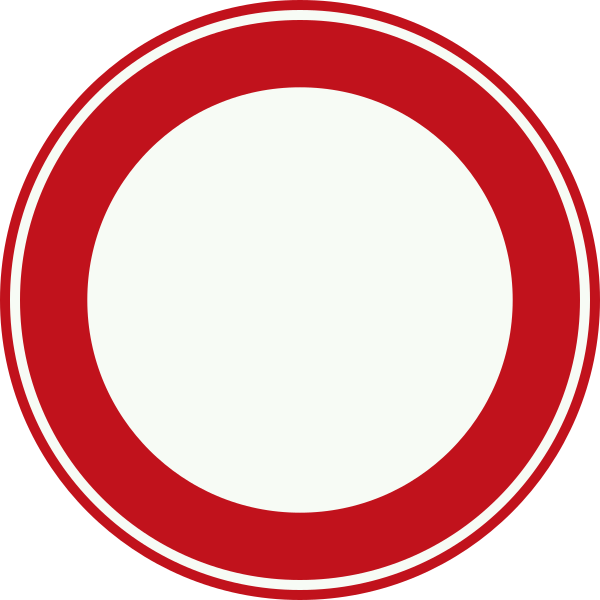
C1: Closed in Both Directions
Red circle with white inner circle. No vehicles may enter from either direction.
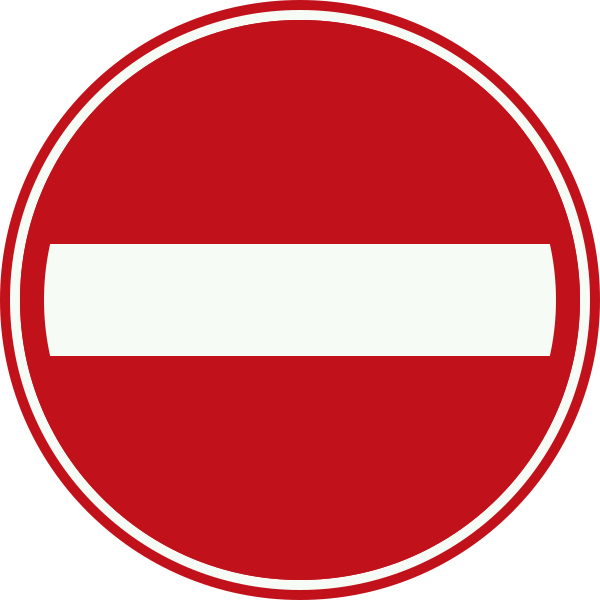
C2: No Entry (One-Way)
Red with white horizontal bar. Forbidden to enter from this side (traffic flows the opposite way).

J8: Dangerous Intersection
Warning of a dangerous intersection. If there are no priority signs or shark teeth, it is an equal intersection and traffic from the right goes first.
5 Common Pitfalls on CBR Traffic Sign Questions
- Confusing Advisory Speed (A4) with Maximum Speed (A1): An advisory speed is NOT legally binding, but driving faster in poor weather or traffic conditions may be penalized under general road safety rules.
- Zone Signs vs. Standard Signs: A normal sign applies to the road where it stands. A sign with the word ZONE (e.g. Zone 30) applies to the whole area, past intersections, until you pass the zone end sign.
- No Parking (E1) vs. No Stopping (E2): Sign E1 (single diagonal line) allows immediate passenger drop-off or loading goods. Sign E2 (cross with two diagonal lines) strictly forbids even stopping for one second.
- Supplementary Sub-Plates (Onderborden): Always check the sub-plate! An arrow, time window (e.g. "08:00 - 18:00"), or vehicle icon alters the entire scope of the main sign.
- Stop Sign vs. Shark Teeth: At a B6 (shark teeth) sign, rolling through is permitted if clear. At a B7 stop sign, your wheels MUST come to a complete standstill, even with an empty road.
🚀 Free Traffic Sign Learning Tools on Zielaan
Want to test your knowledge or look up any Dutch sign? Access our 100% free tools without registration:
- Traffic Signs Database: Searchable library of all RVV 1990 signs from Category A to L.
- Interactive Traffic Signs Quiz: Gamified quiz with audio feedback and instant explanations.
- Free CBR Practice Exam: Full realistic exam test with real questions, knowledge, and insight situations.
Stay updated on CBR exams & theory tips
Add Zielaan to your preferred sources in Google Search to always see our newest exam tips and CBR changes.
Ready to Master All Traffic Signs?
Practice with official exam questions, interactive video lessons, and complete practice tests on Zielaan.
Frequently Asked Questions (FAQ)
How are traffic signs tested on the CBR theory exam?
Traffic signs appear in both direct knowledge questions and situational insight questions. You must know what a sign dictates, who has priority, and what actions are strictly forbidden.
What is the easiest way to remember traffic signs?
Use shape and color rules: round signs with red borders mean prohibitions (forbidden), round blue signs mean mandatory orders, red triangular signs warn of danger, and square/rectangular signs give information or advice.
Where can I practice all official Dutch traffic signs for free?
You can practice all official RVV 1990 traffic signs for free on Zielaan using our interactive Traffic Signs Database and Traffic Signs Quiz.
